

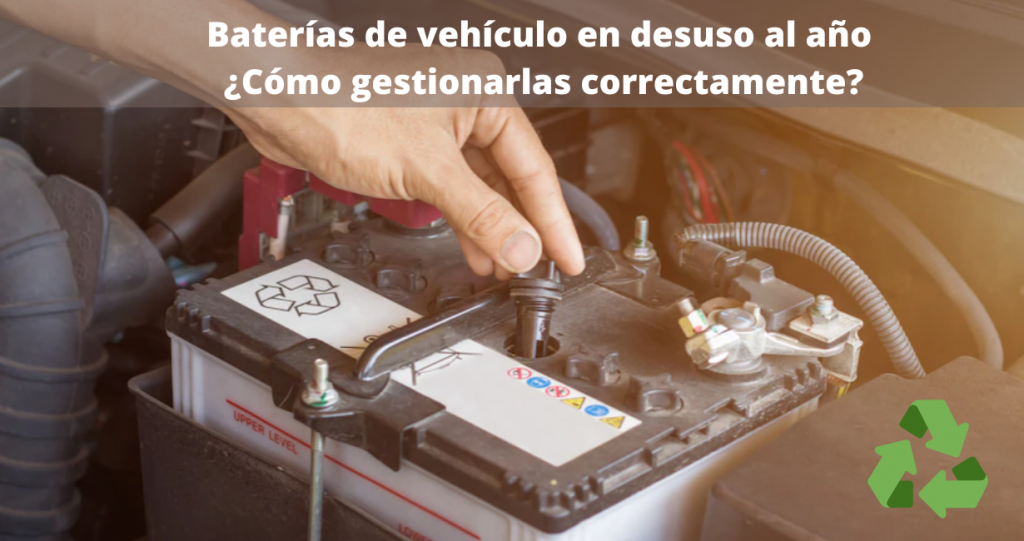

As is well known, disused batteries are a silent threat to the environment due to their components such as lead and sulfuric acid, which, if not processed correctly, put human health and the environment at serious risk. The residues can percolate into the ground and affect the underground water tables that irrigate the grass consumed by animals, which, therefore, contaminates those who consume them.
En la actualidad nuestro país genera 2.4 millones de baterías de vehículo en desuso al año, pero la buena noticia es que existen empresas dedicadas a su correcta gestión a fin de disponerlas de forma segura y extraer ciertos materiales que luego son reutilizados para la fabricación de otros productos, incentivando con esta acción el principio de circular economy.
For example, plastic pellets and lead ingots are obtained from disused batteries, as well as the extraction and recycling of metals to generate cathodes for mining, and lead, which, once it has gone through a refining process, remains again with the same quality as when it is used for the first time, and may have more than one useful life in the industrial process.
No obstante, vale la pena destacar que las baterías forman parte de los productos prioritarios definidos por la REP Law, which, once classified as "waste", become considered hazardous waste, so its correct treatment must comply with certain standards defined by the regulations.
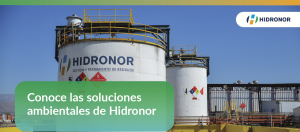
To support this process, at Hidronor we have become a facilitator of the country's circular economy by receiving disused batteries at our facilities and then sending them to specialist companies that will be in charge of carrying out the actions described above.
In this way, and by working together as a more united private sector, we will be able to build a more sustainable country.