


Globalization has boosted the consumption of electrical and electronic devices such as cell phones, computers and televisions, among other devices that have a high replacement rate that increases with the GDP of nations.
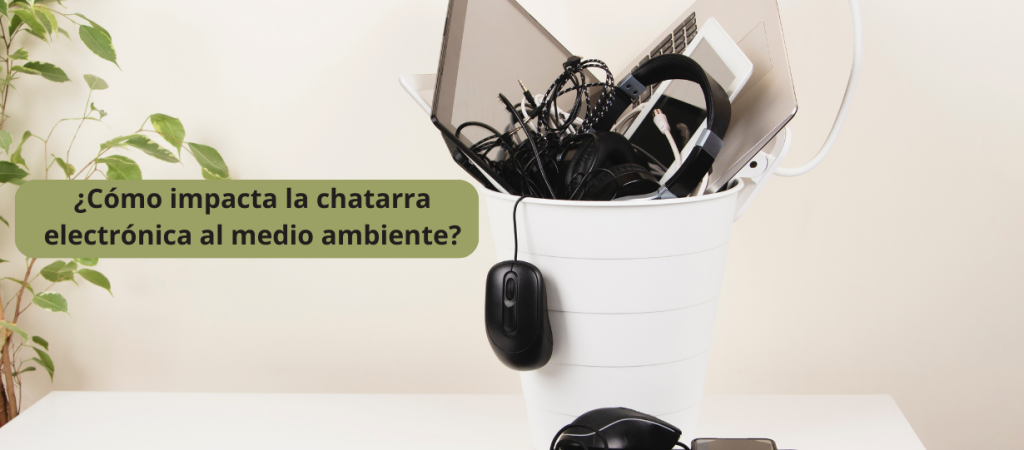
But after reaching their useful life or becoming damaged, these devices are discarded in inappropriate ways, impacting the generation of so-called electronic scrap or WEEE (waste of electrical and electronic devices).
It is estimated that in the world this waste grows exponentially up to four times faster than other waste and nearly 80% of these materials end up in unsuitable landfills. In fact, more than 50 million tons are generated annually in the world and more than 60 billion dollars are lost in this waste.
However, at the national level it is estimated that in Chile more than 400,000 tons of this waste will be generated annually starting in 2028, placing us as one of the South American countries with the highest annual generation rate of close to 12 kg/inhabitant.
En Hidronor hemos aportado a subsanar esta situación, convirtiéndonos en facilitadores del proceso de la cadena de valor de la circular economy del país trabajando bajo el concepto “del residuo al recurso”, gracias a lo cual orientamos parte de nuestros esfuerzos en utilizar los desechos industriales que captamos para tratarlos y reintroducirlos a la cadena de producción industrial, como es el caso de waste [KH1] such as batteries, scrap metal, metal parts, batteries, among others, which we value with this objective.