

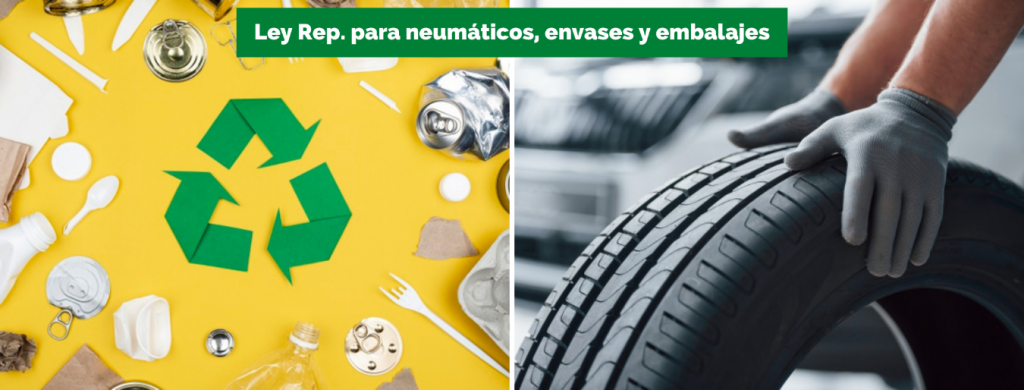
La actual Ley de Responsabilidad Extendida del Productor (EPR Law.) busca aportar con distintas acciones e iniciativas al incremento de la circular economy en nuestro país, determinando como normativa legal la puesta en práctica de estas a fin de revalorizar algunos residuos antes de que se conviertan en residuos fuera de uso (los que posteriormente deberán ser tratados de forma sustentable para su disposición final).
In the case of tires, it was agreed to retread them to give these parts a second useful life within the Decree No. 8 framework of the aforementioned policy, which establishes collection and valuation goals and other obligations associated with tires such as a priority product, and specifies that at least, 60% of the recovery goals for "Category A" must be met with material recycling or tire retreading.
The process consists of replacing the worn tread with a new one, preserving the original casing that was specially eco-designed and built for this purpose (an industrial process regulated in Chile under NCh3374: 2015, which establishes the requirements for retreading truck tires and buses, adding levels of control and safety in this industry).
However, in the containers and packaging area, EPR agreed to install 354 clean points in four years to comply with recycling obligations in this matter, so as to massively initiate, in September 2023, the collection of the country’s mass-consumption recycled materials.
According to the regulations, the management systems created by companies to meet their goals must design, install and operate reception and storage facilities in communes with a certain number of inhabitants called "corrected population", which are the regular residents plus the floating population that arrive in the summer, for example.
At Hidronor we support the advancement of these initiatives and contribute through our management to the sustainability of the environment.
We invite you to read more information about these agreements at:
https://codexverde.cl/recauchaje-de-neumaticos-extendiendo-el-uso-de-un-producto-prioritario/