

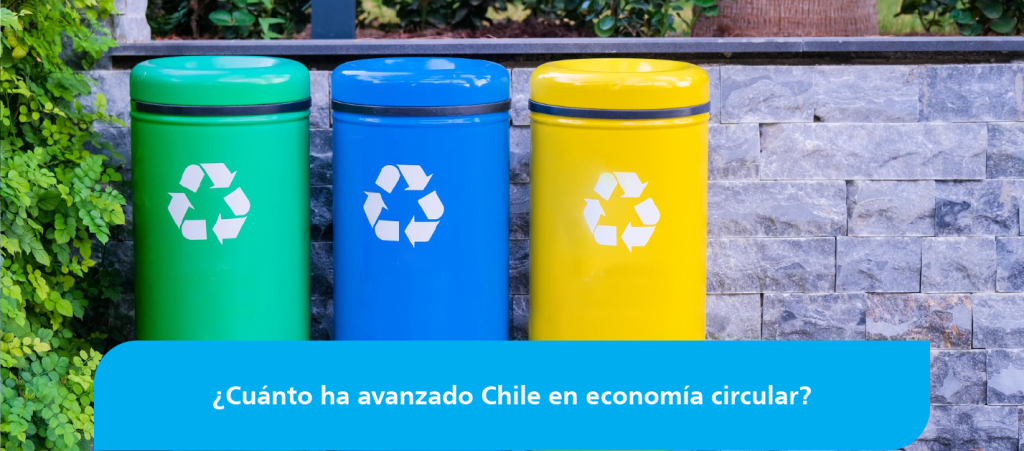

Our country has an ambitious plan that seeks to transform our economic model towards a more sustainable and circular approach.
In 2021, 19.6 million tons of waste were generated, of which 96.7% is non-hazardous waste and 3.3% is hazardous waste, according to the Eighth State of the Environment Report (REMA 2023).
Ante este desafío, esta cartera ha presentado la «Hoja de Ruta para un Chile Circular al 2040», un plan ambicioso que busca transformar el modelo económico del país hacia un enfoque más sostenible y circular.
The plan establishes clear goals to reduce waste generation, increase reuse and recycling, and promote efficiency in the use of resources. Some key objectives include:
– Reduce waste generation by 30% by 2030
– Increase the recycling rate to 65% by 2030
– Implement a deposit and return system for containers and packaging
– Promote the collaborative economy and shared consumption
La hoja de ruta también identifica sectores clave para la transición hacia una circular economy, como la construcción, la agricultura y la industria manufacturera.
With this plan, Chile joins the growing list of countries seeking to adopt a more sustainable and circular approach to their economic development. This initiative is also joined by the Extended Producer Responsibility Law (REP), which establishes the extended responsibility of the producer, forcing them to take charge of their products throughout their life cycle, including waste management once the products are are consumed or end their useful life.
Para cumplir con esta normativa, los productores de Productos Prioritarios (PP), como aceites lubricantes, aparatos electrónicos, baterías, envases y embalajes, y neumáticos, deben inscribirse en el registro establecido, organizar y financiar la recolección de residuos, además de cumplir con metas y obligaciones asociadas, declarando anualmente la cantidad de PP puestos en el mercado, lo que permitirá monitorear el cumplimiento de las metas y obligaciones asociadas.
What are the Priority Products?
– Lubricating oils: 150,000 tons were generated in 2021
– Electronic devices: 200,000 tons were generated in 2021
– Batteries: 100,000 tons were generated in 2021
– Containers and packaging: 500,000 tons were generated in 2021
– Tires: 300,000 tons were generated in 2021
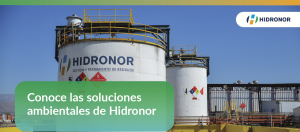
At Hidronor we are aligned with the six Priority Products established by the REP Law y con la gestión de revalorización, tratamiento y final waste disposal a través de nuestros services and solutions!