

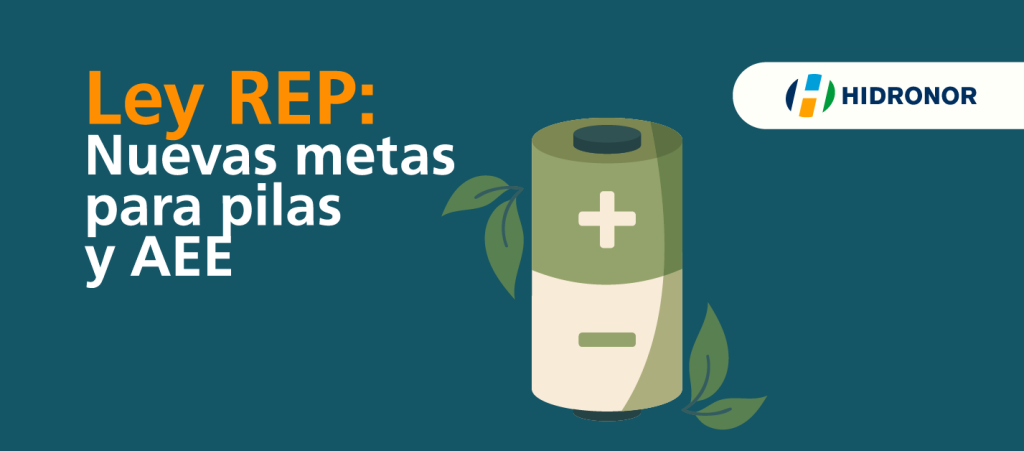
El 7 de mayo de 2026 se publicó en el Diario Oficial el Decreto Supremo N°22/2025 del Ministerio del Medio Ambiente, que establece metas de recolección y valorización, junto con otras obligaciones asociadas a las pilas y aparatos eléctricos y electrónicos (“AEE”), en el marco de la REP Law (Ley N°20.920).
The decree applies to batteries and electrical and electronic equipment (EEE), classified as: temperature exchange equipment (AIT), photovoltaic panels (PV) and other electrical and electronic equipment.
Excluded, among others, are equipment intended for national security, large fixed industrial tools, means of transport and off-road mobile machinery for professional use.
Collection and recovery goals
The decree establishes progressive goals for producers and management systems:
- Batteries and AEE:
- Start: 3% the first year.
- Final goal: 45% from the tenth year.
- AIT:
- From 6% in the third year.
- Up to 30% from the ninth year.
- PFV:
- From 10% in the third year.
- Up to 50% from the tenth year.
Obligations for marketers
Retailers of batteries and/or EEE with facilities larger than 400 m² must:
- Enter into agreements with management systems.
- Receiving waste at no cost to consumers.
In addition, restrictions are placed on the presence of:
- Mercury.
- Cadmium
*Both apply only to batteries (both small and large) that are imported into the country.
The decree came into effect upon its publication in the Official Gazette, and the collection and recovery targets will begin to apply 24 months after said publication.
En Hidronor destacamos que la implementación de estas nuevas metas bajo la Ley REP representa un paso clave para fortalecer la circular economy en Chile.
Every waste product managed correctly is an opportunity to move towards a more sustainable country, committed to future generations!