


Producers of Priority Products (PP) must register in the established registry, organize and finance waste collection, in addition to meeting associated goals and obligations.
In 2021, 19.6 million tons of waste were generated, of which 96.7% is non-hazardous waste and 3.3% is hazardous waste, according to the Eighth State of the Environment Report (REMA 2023).
In this context, the Extended Producer Responsibility Law (REP) has gained great relevance, since the regulations establish the extended responsibility of the producer, forcing them to take charge of their products throughout their life cycle, including waste management. once the products are consumed or end their useful life.
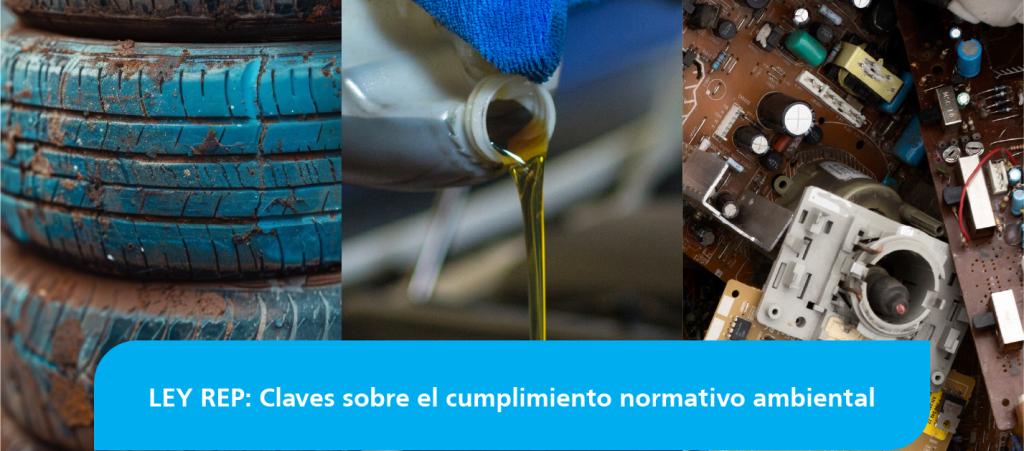
To comply with this regulation, producers of Priority Products (PP), such as lubricating oils, electronic devices, batteries, containers and packaging, and tires, must register in the established registry, organize and finance waste collection, in addition to complying with goals and associated obligations, annually declaring the amount of PP placed on the market, which will allow monitoring compliance with the goals and associated obligations.
Es importante destacar que la Superintendencia del Medio Ambiente es la encargada de fiscalizar y sancionar el incumplimiento de la REP Law. Además, la Ley REP establece la creación de un registro de productores que permitirá identificar a los responsables de la gestión de residuos.
Waste in figures
En 2021, un 49% de los residuos generados correspondió a origen industrial, un 46,1% a residuos sólidos municipales, y un 1,6% a lodos provenientes de plantas de tratamiento de aguas servidas. Del total de residuos generados, el 80% fue eliminado y solo el 20% valorizado.
What are the Priority Products?
– Lubricating oils: 150,000 tons were generated in 2021
– Electronic devices: 200,000 tons were generated in 2021
– Batteries: 100,000 tons were generated in 2021
– Containers and packaging: 500,000 tons were generated in 2021
– Tires: 300,000 tons were generated in 2021
Environmental impact and responsibilities
The implementation of the REP Law is essential for companies seeking to minimize their environmental impact. It is important to evaluate in which part of the operation the REP Law is incorporated, create computer tools to manage and systematize information, train and sensitize suppliers, and survey the internal purchasing process.
Regarding sanctions, the REP Law establishes that fines can vary from 1,000 to 10,000 UTA, depending on the severity of the non-compliance. The possibility of revoking the authorization of the management system is also established, and prohibiting the sale of a producer without an associated manager.
At Hidronor we are aligned with the six Priority Products established by the REP Law through our services and solutions!
Fuente: Webinar «Cumplimiento Normativo Ambiental: Claves para la Ley REP», Asalvo.